
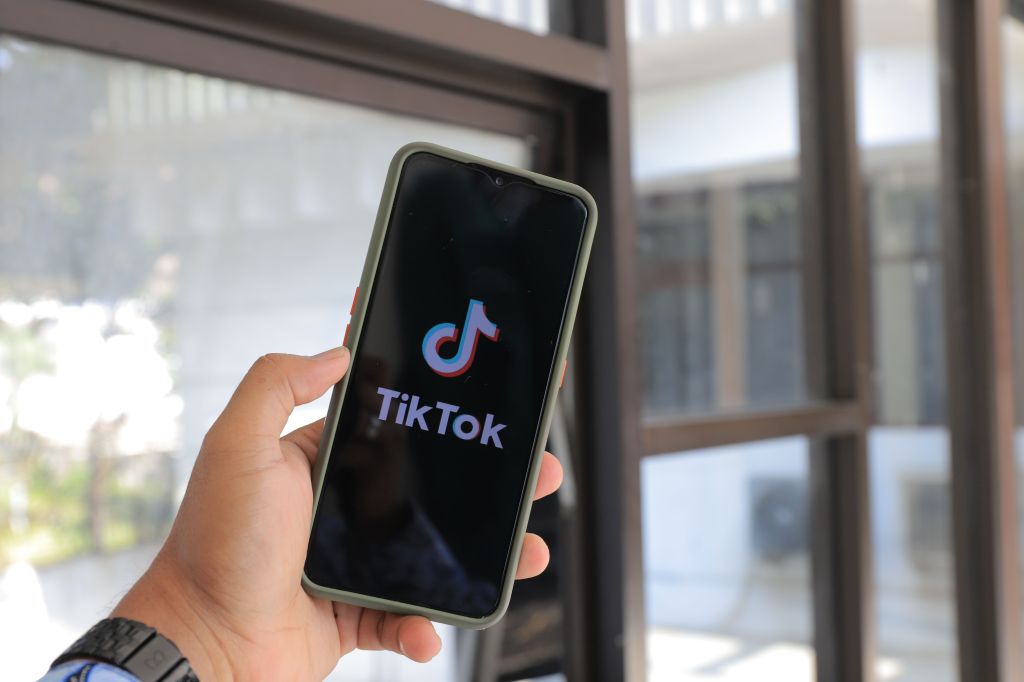
We’ve all been there, you open an app just to check one thing, and suddenly an hour has vanished into thin air. Social media algorithms are designed to keep us hooked, and lately, I started realizing just how much of my daily life was getting swallowed up by endless scrolls. I wanted to see what would happen if I actually forced myself to disconnect.
I decided to take on a 5-day TikTok detox. To hold myself accountable, I set a 1-minute time limit on the app so it would shut off the second I opened it. Tracking my journey was super simple: I just jotted down my thoughts and slip-ups in my phone’s Notes app rather than data collection websites or graphs because of the easy accessibility. Monday started with a quick slip-up, I woke up, opened the app out of habit, but swiped out the second I caught myself. Tuesday, however, was way better. Between a two-hour drive back to school and being busy with class all day, I managed to go the entire day without a single slip-up.
Wednesday and Thursday were definitely more of a struggle. I woke up Wednesday knowing I shouldn’t use TikTok, but I found myself mindlessly scrolling on Instagram instead, which just made me realize how attached to my phone I might actually be. Later, a friend texted me about finding a dinner spot in the city before an upcoming concert we’re going to. Usually, I’d go straight to TikTok for its easy-to-find recommendations, but I used Google or Instagram which didn’t hit the same. By Thursday, I used my day off from classes to do some homework. Not having TikTok helped my focus a ton, but I still caught myself replacing it with Instagram whenever I got bored. Thankfully, knowing Friday was the last day made it easy to push through, keep busy with friends, and completely avoid the app.
Looking back on this exercise, substituting TikTok with Instagram captures a point from Johann Hari’s Stolen Focus: “Computers have the potential to be far more persuasive than people, they can, they believed, be more persistent than human beings and offer greater anonymity….” The platforms are just so persistent. But my absolute biggest takeaway from the data I collected was realizing how much nighttime scrolling was affecting me. My TikTok screen time dropped from over an hour a day to less than five minutes. Being off my phone before bed improved my sleep, making it way easier to wake up this week. This mirrors Lynn Sabieddine’s experience in her article about deleting the app, where she noted, “Sleep has never felt so good. Usually, I go to bed with my phone, scrolling on TikTok until I fall asleep. That habit has ruined my sleep.”
Ultimately, this detox showed me I need to stop scrolling right before bed for good. I never realized how much of an impact that one habit was having on my rest and my mornings. Waking up refreshed and having an easier time focusing on my work has been huge, taking that screen time back is a change I definitely plan on keeping.
References
Hari, J. (2022). Stolen Focus: Why You Can’t Pay Attention– and How to Think Deeply Again. Crown Publishing Group.
Sabieddine, L. (2023, March 26). Reclaiming my attention span: My week without TikTok. The Michigan Daily.
 amanda dangelo
Leave a comment